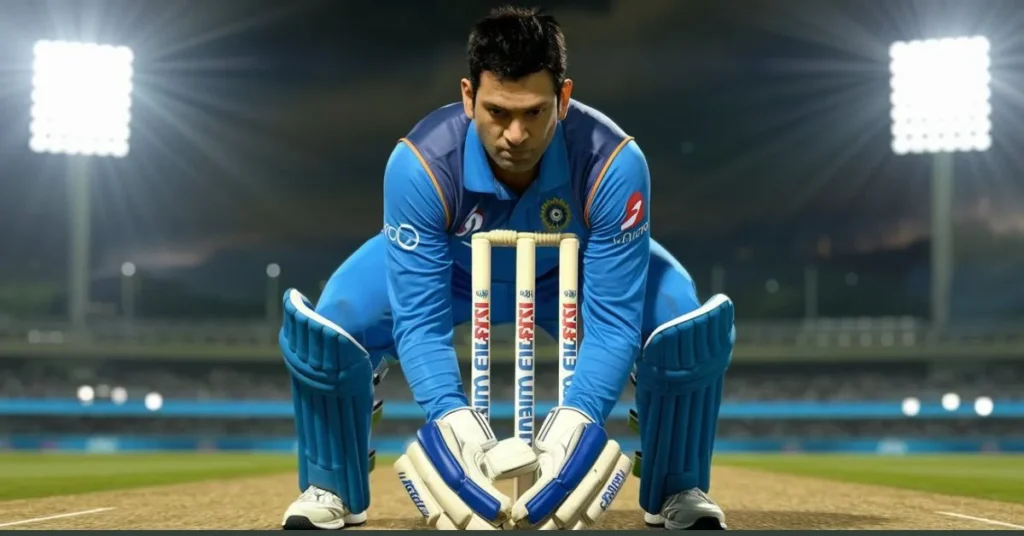
Fans often raise an eyebrow at the IPL wicket price, since the numbers seem absurd at first glance, yet the figures hold firm once you see the level of engineering built into those glowing stumps that light up the night during an Indian Premier League match.
A complete set of LED wickets can sit between ₹30 lakh and ₹41 lakh, which already tells you that this equipment operates in a different league compared with the wooden stumps that cost roughly the same as a basic dinner out.
So the best way forward is simple: lay out the facts plainly and show what makes these wickets so expensive, because the system used in the IPL sets a new standard for precision, durability, and spectacle.
Key takeaway:
- The staggering IPL wicket price exists because each stump and bail contains electronics that respond within milliseconds, support broadcast clarity, and handle fierce impacts without breaking down.
- You get a tool for fairer decisions, sharper visuals, and a strong technical backbone that keeps the tournament running smoothly; all part of why the IPL wicket price surprises so many fans.
The Tech Behind the Glow
Once you strip away the glamour of the IPL stage and take a closer look at the equipment, you realise that each stump behaves like a small electronic device disguised as a cricket prop.
Each stump packs a low-voltage battery, sensors that track contact points, and internal systems that communicate instantly with the bails. Meanwhile, the bails hold microprocessors that trigger those bright LEDs the moment both spigots lift cleanly from their grooves.
On top of that, the timing remains astonishing because the lights react within milliseconds. This helps umpires make crisp decisions without guessing, especially during tight run-outs or frantic stumpings where a frame or two can change everything. Broadcasters enjoy it too, since the flash creates a clean visual cue that makes replays clearer and more exciting.
Then you reach the physical shell: polyurethane and fibreglass form a durable casing that can withstand fast bowlers hammering the target without splintering. The design protects the fragile electronics, which explains why the IPL wicket price soars far beyond anything seen in traditional cricket gear.
Breaking Down the Numbers – IPL Wicket Cost
If you compare these stumps with the ordinary ones used in domestic cricket, the gulf becomes almost surreal, and the gap makes sense once you see the table of differences.
Wooden stumps cost roughly ₹1,000 to ₹2,000 per set, whereas the LED version hits the ₹30–41 lakh range. So the cost of a single bail, sometimes around ₹50,000, matches items that sit on work desks rather than cricket fields.
This huge split highlights one key fact, and that is technology pushes the IPL wicket price upward because each component needs precision hardware capable of maintaining consistency during high-pressure matches.
It is nowhere near a luxury expense; it works more like a requirement for an environment where accuracy matters. Match officials depend on this system to remove the haze from close calls and present outcomes that stand without debate.
Even the IPL stump cost sits in the ₹8 lakh to ₹10 lakh range per stump, which reinforces how these prices reflect a complete shift from the past. Instead of basic wooden poles, each stump acts like a miniature broadcasting tool built for reliability, clarity, and quick communication, making the IPL wicket price a reflection of elite performance standards.
Why Leasing Became the Smarter Choice?
Rather than buying these high-value wickets outright, the BCCI leases them from Zing International. This model spares the board from paying massive upfront expenses each season, and the savings run deeper. The leasing contract covers transport, routine maintenance, software oversight, and replacements.
The BCCI pays roughly ₹2.95 lakh per IPL match for the full setup, which becomes a practical cost once you spread it across the packed schedule. This approach keeps the tournament supplied with the latest technology without forcing administrators to manage upgrades themselves. That matters because the system demands specialist handling, from battery checks to sensor calibration.
You might recall moments when a stump cracked during a delivery, such as the incident involving Arshdeep Singh in 2023; in those cases, organisers handle the replacement costs. This protects players, officials, and teams from worrying about equipment bills during or after games.
Altogether, the leasing structure brings convenience and consistency, since Zing International takes responsibility for the technology while the league focuses on cricket, another factor baked into the IPL wicket price model.
A System That Changes How Decisions Work
The arrival of LED wickets shifts professional cricket. Close decisions lose their uncertainty because umpires receive clear signals instead of depending on instinct. The bright flash becomes a type of confirmation that leaves no room for hesitation. Fans start living for those sharp bursts of light that erupt during wicket-taking moments, and broadcasters lean into the spectacle since it adds electricity to slow-motion replays.
On the field, wicketkeepers embrace the system because it gives them instant feedback on stumpings, and third umpires enjoy the improved clarity that simplifies their judgment. Even bowlers benefit, since a clean run-out or dismissal leaves no ambiguity once the bails light up in perfect sync with the moment of dislodgement.
This improvement makes the high IPL wicket price easier to justify, as the system contributes to fairer outcomes, a smoother viewing experience, and stronger engagement from audiences who appreciate clear, decisive moments.
Why Traditional Stumps Cannot Match This Level?
Wooden stumps perform as expected at local levels, training grounds, and standard tournaments; however, they lack consistency under the intense force of IPL matches. Fast bowlers regularly exceed speeds that test the structural limits of the wood, and splintering becomes a real risk. With electronics involved, splintering cannot happen, so composite materials must handle the load instead.
Traditional stumps also do not provide any feedback themselves, leaving umpires with slow-motion footage, judgment calls, and imperfect angles during tight reviews. LED wickets erase those problems by giving definite signals triggered by exact conditions.
So traditional stumps remain useful for grassroots cricket, but they cannot compete with what LED systems bring to elite matches, which is why the IPL stump cost looks steep yet necessary in context, and why the IPL wicket price reflects a different performance tier altogether.
How Technology Shapes the Theatre of the IPL?
Beyond fairness, these LED stumps contribute to the character of the tournament. Their glow forms a signature element of wicket celebrations, and fans recognise those flashing lights instantly. Commentators latch onto them because the effect transforms simple dismissals into moments that feel cinematic.
You can sense the crowd react whenever a bail jumps and bursts into bright colour; the timing hits with such precision that the entire stadium experiences the decision in unison. This shared reaction strengthens the atmosphere and distinguishes the IPL from many other leagues that still rely on traditional setups.
So the high IPL wicket price does more than support accuracy; it fuels the image of the tournament and helps the league maintain a polished, immersive presence.
The Practical Side of Maintaining Such Tech
Technology inside a cricket stump sounds glamorous until you consider the routine checks required to keep everything dependable. Batteries must hold steady charge levels, sensors need regular testing, and the protective casing has to survive rough handling during installation, transport, and gameplay.
This is why outsourcing maintenance to Zing International works well, since the company already understands the internal structure and knows how to troubleshoot issues quickly. The IPL’s intense calendar leaves no room for delays, so having trained specialists handle repairs ensures that each match begins with fully functional equipment.
The relationship stays tight because both sides rely on each other: the league counts on consistency, and Zing International takes pride in keeping its system at peak performance, all tied to sustaining the IPL wicket price model.
Final Take:
So the next time someone questions the IPL wicket price, remind them that those glowing stumps operate like advanced electronic devices built to handle brutal impacts, harsh conditions, and razor-thin decisions. Their cost reflects their purpose, and the wider system keeps the league fair, exciting, and visually sharp.
Now I want to know what you think: do you feel these prices make sense, or do they still feel excessive even with all the embedded technology?