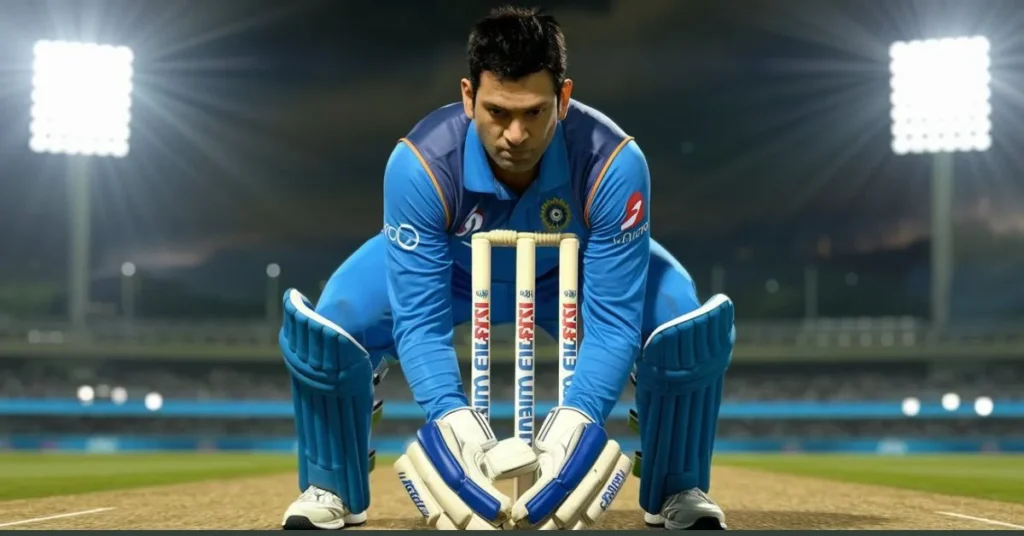
Modern IPL seasons demand adaptation through high scoring pressure, dense scheduling, and constant spotlight. Talent alone rarely decides outcomes. Teams succeed when players adjust roles, pace, and mindset at the right moment. Youth offers flexibility, while experience provides control. Each season raises the same question once conditions shift and pressure builds inside the Indian Premier League.
How Young Players Adapt Across IPL Seasons
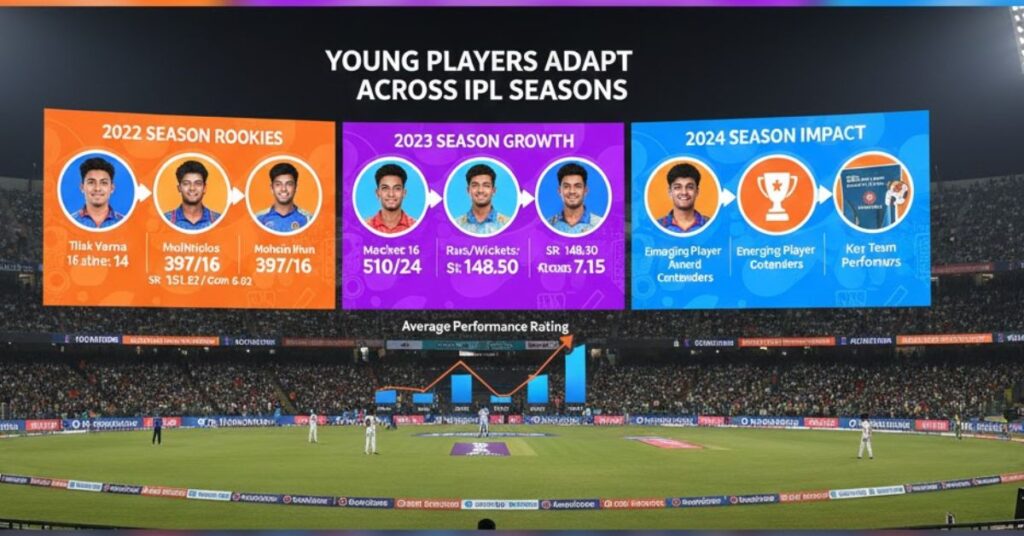
Young players often enter IPL squads without fixed expectations. That freedom supports faster adjustment. A player like Yashasvi Jaiswal became far more destructive in the powerplay once Rajasthan Royals committed to him as a permanent opener and built its batting strategy around early acceleration. Physical freshness also helps younger players recover faster between matches played across different cities and pitch conditions.
Coaching input often lands more easily with emerging players, who tend to show openness toward tactical tweaks such as adjusted batting tempos or short bowling spells. Over time, adaptation can face pressure from sustained attention. Tilak Varma showed composure during his early IPL campaigns, though brief dips followed once opponents refined their plans and expectations increased. Learning speed stays high, while long-term stability usually takes longer to establish.
How Veterans Adjust During IPL Campaigns
Experienced players depend on recognition built through repetition. Years in elite cricket allow figures like MS Dhoni and Rohit Sharma to read pitch traits and bowling intent within a few overs. Minor shifts in shot choice, strike management, or bowling rhythm often deliver more impact than visible technical changes. These adjustments unfold quietly and shape matches without drawing attention.
Veterans also adapt by simplifying choices. During tight finishes, decision clarity often outweighs athletic output. The rhythm of T20 cricket rewards calm judgment, similar to controlled, high-pressure environments such as televised casino formats like the lucky seven card game, where timing and restraint guide outcomes more than impulse.
That parallel explains why experienced players often close matches despite slower reflexes. The risk appears when format evolution accelerates faster than habit change, as seen with some senior batters facing higher pace-off bowling units.
Pressure as the Real Adaptation Test
Pressure exposes limits in both groups. Young players face sudden spotlight shifts. A breakout innings can raise expectations overnight, as seen with Rinku Singh after multiple last-over finishes for the Kolkata Knight Riders. Handling that attention demands mental adjustment equal to technical skill.
Veterans face a different pressure. Narratives about decline or relevance shape public judgment. Players such as David Warner adjusted by redefining tempo and strike management during later IPL seasons. Adaptation under pressure depends less on age and more on emotional balance. Teams that protect players from reactive decision-making gain consistency.
Role Changes and Tactical Flexibility
Adaptation shows the clearest value when teams reshape roles mid-season. Successful sides treat roles as tools, not labels. Tactical flexibility appears across several areas:
- Floating batting positions based on matchup logic
- Short bowling spells to disrupt rhythm
- Fielding roles adjusted for specific batters
- Leadership duties shared during key phases.
These shifts work best when communication stays clear. Gujarat Titans used this approach during their title run, where players like Hardik Pandya balanced leadership, finishing duties, and bowling workloads without rigid boundaries. Flexibility fails when players lack clarity about expectations.
What Team Results Reveal About Adaptability
Results across seasons highlight one pattern. Teams that mix youth and experience outperform sides that lean too heavily in one direction. Chennai Super Kings thrived through balance and combined emerging talent with seasoned control. Royal Challengers Bengaluru often leaned toward star power without consistent role alignment, which limited adaptability during crunch phases.
Playoff regulars tend to adjust faster across venues, toss outcomes, and opponent styles. That consistency reflects preparation and trust more than individual brilliance. Adaptability shows value through reduced collapse periods and steadier finishes.
Wrap-Up: Adaptation Is About Fit, Not Age
IPL success rarely crowns one group as superior. Young players adapt quickly through openness and physical ease. Veterans adjust through awareness and restraint. The fastest adaptation emerges when team structure supports both. Clear roles, calm leadership, and tactical trust shape outcomes more than age. In the IPL, fit decides speed of adaptation, and teams that understand this principle stay competitive deep into the season.