A single moment often defines the outcome of a cricket match. One dropped catch can cost a World Cup. Similarly, one lightning-fast run-out can secure a legacy. While batters and bowlers usually grab the headlines, the field operates in the high-pressure gap. They stand between glory and disaster. These athletes act as the silent guardians of the turf.
They turn impossible angles into wickets. They also turn certain boundaries into single runs. Great fielding requires more than just safe hands. It demands anticipation and explosive speed. A rocket arm that terrifies runners completes the package.
Fans and experts alike debate furiously over who holds the title of the best fielder in the world. Is it the acrobat who flies through the air? Or is it the sharpshooter who hits the stumps from the boundary? The answer lies in the consistency. It also involves the ability to change momentum instantly. They turned a chore into a spectacle. As a result, they set standards that modern players still struggle to match.
Key Takeaways:
- Fielding impacts results: A fielder saves a run with the same value as a batter scores a run.
- Athleticism evolved: Pioneers like Jonty Rhodes changed fitness standards forever.
- Modern dominance: Ravindra Jadeja currently sets the benchmark for all-round fielding excellence.
Let’s take a look at the five best fielders in the world in cricket history.
Top 5 Greatest Fielders Ever
Ravindra Jadeja
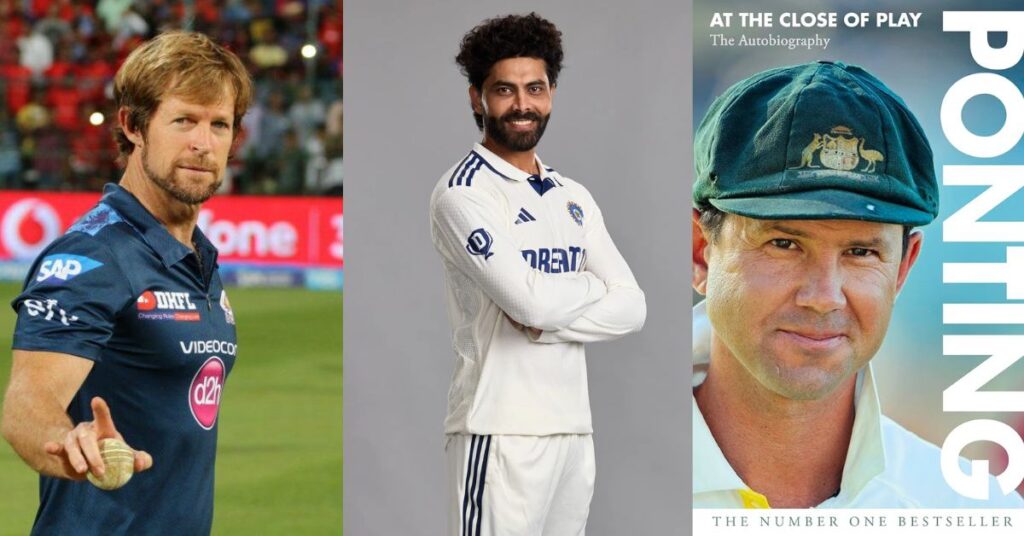
Ravindra Jadeja operates with extreme precision. His movements seem almost mechanical. The Indian star does not just stop the ball; instead, he attacks it. When the ball goes towards Jadeja, batters hesitate. That split second of doubt often proves fatal. His throwing arm remains his most lethal weapon. It produces laser-flat trajectories. These throws shatter the stumps before the runner can slide the bat.
Most critics and current players argue that Jadeja is currently the best fielder in the world. He patrols the backward point region with hawk-like intensity during power plays. Later, the Indian all-rounder prowls the deep mid-wicket boundary in the death overs. His ground coverage speed allows him to turn fours into twos.
This skill frustrates opposition batters. Furthermore, Jadeja’s catch reliability remains absurdly high. This holds even when the ball swirls under stadium lights or travels like a bullet. Jadeja made the ‘direct hit’ a fashionable part of the game. Now, fans expect this from the Indian arsenal.
Jonty Rhodes
Before Jonty Rhodes arrived, teams often treated fielding as an afterthought. Players stood in their positions and simply waited for the ball. Rhodes, however, hunted it down. The South African dynamo treated the backward point area as his personal territory. No ball could pass there without permission. The former Proteas player threw his body at everything. He disregarded personal safety to save a single run.
Rhodes’ iconic run-out of Inzamam-ul-Haq in the 1992 World Cup remains an enduring image. He did not throw the ball. Instead, he sprinted and launched himself like a torpedo into the stumps. This action dismantled them completely. That moment redefined what players can achieve.
Rhodes did not just field; he intimidated. Batters feared hitting the ball in his direction. Consequently, Rhodes forced opponents to alter their game plans. Many experts still regard him as the best fielder in the world in terms of pure impact. Rhodes proved that a fielder could win Man Of The Match awards by scoring a century or taking five wickets.
Ricky Ponting
Australian cricket built its dominance on aggression. Ricky Ponting embodied this spirit in the field. He stood at a backward point or slip with a predatory gaze. The former World Cup winner stayed ready to pounce on the slightest error. Ponting possessed arguably the best hands in the game. He plucked catches out of thin air with startling ease.
Ponting’s anticipation set him apart from his peers. The former Aussie captain seemed to know where the batter would play the shot early. He moved before the bowler even released the ball. This sixth sense allowed him to close down angles that other fielders usually left open.
Ponting holds the record for the most run-outs in international cricket. This serves as a testament to his deadly accuracy. He hit the stumps from impossible positions, often while off-balance. Ponting’s presence in the inner ring suffocated scoring rates. The former Aussie captain built immense pressure on the opposition for his bowlers to exploit.
AB de Villiers
AB de Villiers could do everything. He kept wickets with skill and patrolled the boundary. Furthermore, the former Proteas international fielded inside the circle with equal brilliance. His athleticism defied logic. De Villiers possessed a vertical leap that rivaled basketball players. This allowed him to intercept sixes destined for the crowd.
Fielding requires versatility, and de Villiers offered that in abundance. One over, he would wear the gloves. The next over, he would act as a sweeper on the cover boundary. The former Proteas cricketer’s reflexes were supernatural. He famously took catches that passed behind him.
The former RCB cricketer reacted quicker than the human eye could track. This adaptability makes a strong contender for the best fielder conversation. Few players in history have mastered so many positions with such competence. He treated the field as a playground and turned difficult chances into routine dismissals.
Suresh Raina
Suresh Raina changed the attitude of India’s fielding. Before his arrival, Indian teams often hid slow movers in the outfield. Raina, however, bought an electric energy that lifted the entire squad. He cheered every dot ball and celebrated every save. Moreover, the former Indian cricketer kept morale high during long, tiring days in the dirt.
He specialized in the cover and extra cover regions. Raina moved laterally with incredible speed to cut off drives destined for the fence. His ability to catch low balls was unmatched; he rarely dropped anything below his knees.
Furthermore, Raina’s partnership with other fielders created a wall. Opponents found this wall difficult to breach. He understood angles perfectly and positioned himself to minimise the batter’s options. Raina’s enthusiasm proved infectious and inspired a generation of young cricketers.
Determining the single best fielder in the world remains a subjective challenge. Different eras demanded different skills. However, for any team aspiring to win Championships in 2026, captains can not treat fielding as a after thought. They must make it a priority. The players listed above proved a point; saved runs matter just as much as scored runs. Their legacy lives on in every diving stop and direct hit we see today.
Who do you think deserves the crown?