Victory in modern cricket often hinges on the subtle movement of a leather ball through the air rather than raw, terrifying speed. Genuine masters of this craft deceive the best batters by making the ball curve late, often leaving the stumps shattered or the wicketkeeper busy. While many bowlers achieve occasional movement, only a select few earn the title of swing king in cricket through decades of consistent dominance. As of today, former Pakistan fast bowler Wasim Akram is generally known as the swing king in cricket.
Key Takeaways:
- Wasim Akram remains the statistical leader for left-arm swing, though Mitchell Starc recently surpassed his Test wicket tally in December 2025.
- James Anderson retired in 2025 as the most prolific fast bowler in history with 708 Test wickets.
- Pakistani legends pioneered and perfected reverse swing once the ball loses its shine.
- Control and wrist position determine the quality of swing more than the actual speed of the delivery.
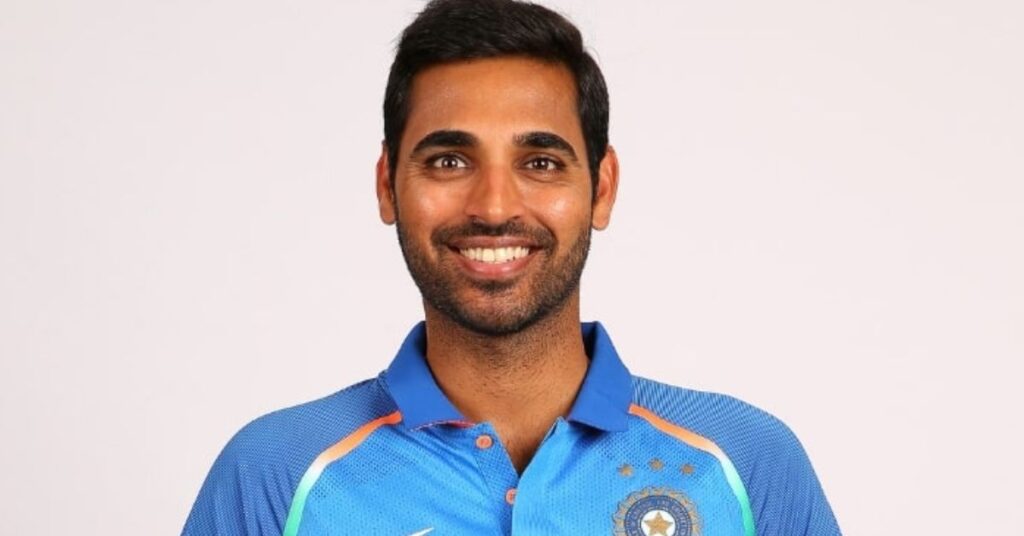
The Top 5 greatest swing bowlers of all time:
History remembers the men who could make a stationary object behave like a heat-seeking missile. These five bowlers represent the pinnacle of aerial deception.
1. Wasim Akram (Pakistan)
Wasim Akram occupies the top spot because he mastered the ball at every stage of its life cycle. He generated massive conventional swing with the brand-new ball and then transitioned into the most lethal exponent of reverse swing once the leather became scuffed. The dual ability allowed him to claim 414 Test wickets and 502 ODI wickets during an era of batting giants. He remains the definitive swing king in cricket because he kept his wrist perfectly hidden until the final millisecond of release.
2. James Anderson (England)
England’s greatest-ever servant, James Anderson, proved that swing bowling is a marathon rather than a sprint. He finished his career in early 2025 with an astonishing 708 scalps, many of which he earned through his signature outswinger at Lord’s. Anderson developed the wobble seam delivery late in his career to remain effective even when the atmosphere refused to assist him. His ability to move the ball both ways with identical actions cemented his status as a permanent candidate for the king of swing in cricket.
3. Dale Steyn (South Africa)
Dale Steyn combined frightening pace with a banana-shaped outswinger that dismantled batting lineups across the globe. Unlike many swing bowlers who sacrificed pace for movement, Steyn maintained pace above 145 kmph while making the ball dart away from the right-handers. He held the world number one Test ranking for a record 263 days, largely because his late movement defeated human reaction times.
4. Sir Richard Hadlee (New Zealand)
Richard Hadlee carried the New Zealand bowling attack on his back for nearly two decades through sheer technical brilliance. He shortened his run-up later in his career but improved his strike rate by hiding the corridor of uncertainty with relentless accuracy. Hadlee became the first bowler to reach 400 Test wickets; he achieved this primarily by using the seam and the air to outsmart opponents on flat wickets.
5. Waqar Younis (Pakistan)
If Akram was the artist, Waqar Younis was the executioner who used reverse swing to hurt the base of the stumps. His sprint to the crease culminated in a slingshot release that sent the ball late-dipping into the batter’s toes. During the 1990s, the partnership between Waqar-Akram created the most feared era of swing bowling in the history of the sport.
The Eternal Debate: Who is the king of swing in cricket?
Comparing eras often leads to heated discussions among purists, yet the criteria for greatness usually revolve around the degree of late movement. While James Anderson owns the record of sheer volume, his peers frequently cite Wasim Akram as the more naturally gifted operator. Modern stars like Mitchell Starc and Bhuvneshwar Kumar continue to carry this torch into 2026, but they still chase the ghosts of Akram’s legendary wrist position.
The king of swing in cricket must possess the ability to take wickets on unresponsive, dry tracks in the subcontinent, where the air is heavy, and the pitches are dead. Wasim Akram’s record in these conditions gives him the slight edge over his English counterparts. He turned the old ball into a weapon of mass destruction; few have replicated this feat with such terrifying consistency.
Final Take:
Mastering the art of swing requires a rare combination of physical fitness, tactical intelligence and anatomical perfection. We have witnessed the transition from the raw pace of the 1970s to the surgical precision of the 2020s, but the fundamental principles of the craft remain unchanged. These five legends did not just bowl; they manipulated physics to achieve the impossible on a cricket pitch.
Do you believe James Anderson’s record-breaking tally makes him the undisputed greatest, or does Wasim Akram’s versatility keep him at the top?